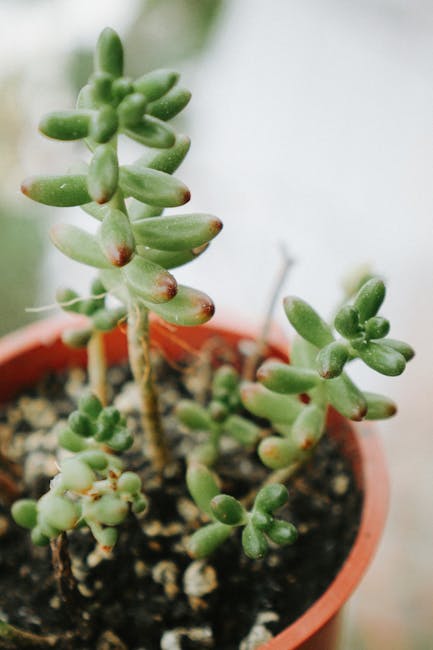
Leaves Green gardeners guide to small garden maintenance
Small gardens can be a joy, but they can also become cluttered, patchy, and oddly high-maintenance if you let them drift. One week it looks neat; the next there are weeds in the paving, a lawn edge that has wandered off, and a planting bed that seems to have doubled in size overnight. This Leaves Green gardeners guide to small garden maintenance is here to help you keep a compact outdoor space looking calm, healthy, and genuinely enjoyable without turning every weekend into a chore list.
Whether you manage a courtyard, a narrow side return, a modest family garden, or a tiny terrace, the same principle applies: small spaces reward consistency more than heavy effort. The good news? A little structure goes a long way. In the sections below, you'll find a practical maintenance routine, seasonal priorities, common mistakes to avoid, and a few smart shortcuts that make life easier. If you ever want professional support, a local team can also help through garden maintenance services or more specific help such as lawn care and lawn mowing.
Truth be told, small gardens often look their best when they are maintained gently and often, not heavily and rarely. That's the real secret.
Table of Contents
- Why small garden maintenance matters
- How the maintenance approach works
- Key benefits and practical advantages
- Who this is for and when it makes sense
- Step-by-step guidance
- Expert tips for better results
- Common mistakes to avoid
- Tools, resources and recommendations
- Law, compliance, standards, or best practice
- Options, methods, or comparison table
- Case study or real-world example
- Practical checklist
- Conclusion
- Frequently asked questions
Why Leaves Green gardeners guide to small garden maintenance Matters
A small garden can be more demanding than it looks. Limited space means every plant, path, pot, and paving joint is visible. One untidy corner can make the whole garden feel messy. At the same time, compact spaces usually have less margin for error: overwatering shows up faster, weeds spread quickly, and a plant that grows two feet too wide can dominate the whole layout.
That's why a sensible maintenance routine matters. It keeps the garden balanced. More importantly, it helps you preserve the design choices that made the space appealing in the first place. A neat border, a clipped hedge, a tidy lawn, or a simple container display can all look excellent in a small garden-but only if they are looked after consistently.
In Leaves Green and similar suburban settings, weather can shift quickly too. A breezy spell, a wet week, then a dry patch can all happen in a surprisingly short window. If you want to keep the garden steady through that kind of change, you need a routine that is light, adaptable, and realistic. For broader weather resilience, it can help to read about strategies to combat weather's attack on gardens and, where planting is exposed, ways to deflect winds in the garden.
Expert summary: In small gardens, the best maintenance strategy is not "do more"; it is "do the right little jobs often." That keeps the space looking intentional, not overworked.
How Leaves Green gardeners guide to small garden maintenance Works
The maintenance approach for a small garden is built around rhythm. Rather than waiting until everything needs doing at once, you break the work into manageable checks: weekly, monthly, and seasonally. This prevents the space from getting out of hand, and it also makes each task quicker. A fifteen-minute tidy-up can save you a two-hour rescue mission later. We've all seen how that goes.
The process usually starts with observation. You look at what is changing: lawn growth, weeds, drainage, plant health, and how the space feels to use. Then you act on priorities, not just appearances. For example, if a shrub is starting to shade out a border, the answer may not be more watering or fertiliser. It may simply need selective pruning or a better shape. If the patio is slippery, a proper clean matters more than another decorative pot.
For many homeowners, a small garden works best when the maintenance plan supports the layout rather than fighting it. If you've built a space around containers, vertical planting, or a narrow seating area, maintenance should focus on keeping structure crisp and walkways clear. If the garden is more traditional, then lawn care, hedge shaping, and border tidying may be the priority. For inspiration on layout and usable outdoor space, see creating comfort zones in the garden and vertical gardening ideas.
Key Benefits and Practical Advantages
Good maintenance does more than make a garden look nice. In a small space, the gains are immediate and very noticeable.
- It improves visual space. Clean lines, trimmed edges, and healthy planting make a tiny garden feel larger and calmer.
- It reduces future work. Small, regular jobs prevent bigger repairs later on.
- It supports plant health. Removing dead growth, checking for pests, and refreshing mulch all help plants perform better.
- It protects surfaces. Paths, decking, and patios can become slippery or stained if left too long without attention.
- It makes the garden usable. A tidy garden is more likely to be sat in, eaten in, and enjoyed.
There's also a financial angle, though I'd keep it modest and practical rather than dramatic. Good maintenance can extend the life of hard landscaping, reduce the need for plant replacement, and help you avoid rushed, expensive fixes. If you're trying to keep costs sensible, you may also find low-maintenance garden tips on a budget genuinely useful.
Another advantage is mental. A small garden that stays under control tends to feel inviting rather than nagging at you from the kitchen window. That matters more than people admit.
Who This Is For and When It Makes Sense
This guide is useful for a wide range of garden owners. If you have a modest front garden, a courtyard, a town garden, a small terrace, or even just a few integrated planters, the same maintenance principles apply. It is especially useful if you want a neat finish without needing a full-time gardening schedule.
It also makes sense for:
- busy households that need a reliable upkeep routine
- new homeowners trying to understand what their garden actually needs
- older properties where the garden has become slightly overgrown
- renters who want to keep an outdoor space presentable
- people planning to sell and wanting the garden to support first impressions
If your garden has already slipped a bit, you do not need to start with everything at once. In many cases, the smartest first step is to restore structure: edge the lawn, clear the paths, prune back growth that is crowding the layout, and remove obvious clutter. That's also why a guide like where to begin with a neglected garden transformation can be a helpful companion.
And if your garden is mostly decorative or largely hard-landscaped, the priorities shift toward sweeping, washing, joint cleaning, and keeping containers healthy. Small garden maintenance is flexible like that. A bit of judgement goes a long way.
Step-by-Step Guidance
Below is a practical maintenance routine that works well for small gardens. You can scale it up or down depending on how much planting, lawn area, and hard landscaping you have.
1. Start with a quick weekly scan
Walk the whole space slowly. Look for weeds, dead leaves, overlong grass, damaged pots, blocked drains, or plants leaning into paths. This takes a few minutes, but it stops small issues from becoming visible messes. In a compact garden, that matters a lot.
2. Clear surfaces first
Sweep patios, steps, and paths before tackling plant beds. A clean surface immediately changes how the garden feels. If you've got a deck or paving, a routine clean may be more important than you think. For related upkeep, patio cleaning and decking services can help restore a tidy, safe finish.
3. Tidy edges and borders
Sharp edges do a lot of visual work in small gardens. Trim lawn edges, neaten border lines, and keep gravel or bark from spilling into paths. Even if the planting is informal, the outline should feel deliberate. That one detail makes the whole space look cared for.
4. Prune with restraint
Small gardens do not need heavy pruning all the time. What they need is thoughtful shaping. Remove dead, damaged, or crossing stems, and keep shrubs from blocking windows or swallowing neighbouring plants. If hedging forms part of the garden's boundary, regular maintenance is key. A dedicated guide to hedge trimming shapes and techniques can help you understand how to keep things neat without overcutting.
5. Water properly, not just more often
Container plants and shallow borders dry out quickly, but overwatering can be just as troublesome. Water at the base, in the morning where possible, and check the soil before adding more. A finger test is still one of the simplest ways to avoid guesswork. If you are growing herbs or edibles in a small plot, this matters even more; take a look at herb gardening for practical ideas.
6. Feed and mulch where needed
Small beds often get tired quickly because there is less soil volume and more competition from roots. A light feed during the growing season and a sensible mulch layer can help keep moisture in and suppress weeds. Don't smother the soil. A neat top-up is enough in most home gardens.
7. Check for pests and disease
Look for chewed leaves, sticky residue, black spot, powdery patches, or sudden leaf drop. Catching issues early is far easier than dealing with a widespread problem later. If you keep an orchid, climber, or evergreen in a small garden setup, this little inspection becomes even more valuable. Related care advice is available in orchid care guidance and evergreen climber ideas.
8. Finish by resetting the look
Move fallen pots, straighten furniture, fold away hoses, and empty out obvious plant debris. It sounds small, but a garden "reset" gives the impression of order. In a small space, that matters just as much as the planting itself.
Expert Tips for Better Results
Here are the details that often separate an average small garden from one that feels genuinely polished.
- Keep a narrow planting palette. Too many plant types make a tiny garden look busy in the wrong way. Repetition creates calm.
- Use height carefully. Vertical planting, climbers, and trellis work can give you more greenery without taking up floor space.
- Choose plants by habit, not just colour. A plant that looks lovely in the nursery may still be a poor fit if it sprawls too much.
- Give every feature a job. A pot should soften a corner, a hedge should add privacy, a bench should encourage use. Decorative clutter is rarely your friend in a small space.
- Respect seasonal rhythm. Spring and early autumn are usually the moments when small gardens respond best to tidying, planting, or reshaping.
One practical observation: if your garden seems to need constant attention, it may not be badly maintained at all. It may simply be overplanted or poorly balanced. A few hours of adjustment can save a lot of future work. For a more sustainable design angle, you may also like how gardeners can support climate change solutions.
Another one. Keep a small notebook or phone note with what you notice each month: which pot dries out fastest, which corner gets moss, which shrub blocks the light. It sounds almost old-fashioned, but it works. And no, it doesn't have to be beautiful handwriting.
Common Mistakes to Avoid
Most small garden problems come from a handful of repeated habits. The good news is that they are easy to fix once you notice them.
- Letting one job snowball. A week of missed weeding turns into a border clean-up that takes much longer.
- Overcrowding plants. Small gardens need breathing room. Leave space for plants to mature.
- Using too many ornamentals. A few good focal points will usually outperform a crowded collection of bits and pieces.
- Ignoring drainage. Wet patches, blocked grates, or compacted soil can quickly undermine healthy growth.
- Cutting hedges or shrubs too hard. In a tight space, over-pruning can leave you with bare gaps that are hard to disguise.
- Forgetting the hardscape. A neat border means little if the patio is green with algae or the deck is slippery.
There's also a subtle mistake that's easy to miss: designing a garden for the rare ideal day rather than the average one. A small garden should work on a wet Tuesday as well as a sunny Saturday afternoon. That's the real test, really.
Tools, Resources and Recommendations
You do not need a shed packed with specialist gear to maintain a small garden properly. A few good tools are usually enough.
- Hand pruners: for light shaping, deadheading, and removing damaged stems
- Long-handled shears: for hedges, mixed borders, and tidy trimming
- Stiff broom or brush: for paths, patios, and decking
- Watering can or hose: for controlled watering, especially in containers
- Weed remover or hand fork: for getting roots out rather than just snapping tops
- Gloves and kneeling pad: simple comfort, but worth it
If you are building your kit from scratch, this equipment guide is a sensible place to start. For learning-focused readers, foundational gardening tips for beginners can also fill in the basics without overwhelming you.
For more specialised small-space planning, consider how different elements support each other. Ground cover can reduce bare soil and weeds; see top ground cover selections. If privacy is a concern, a well-chosen hedge may be better than a fence in some layouts; if you do need boundary work, fencing services may be the better route. It depends on the site, the light, and what you actually want the garden to do.
Law, Compliance, Standards, or Best Practice
For most domestic small garden maintenance, there is no complex compliance burden. Still, good practice matters, especially where work affects boundaries, trees, access, safety, or neighbouring properties. If you are hiring help, it is sensible to check that the work is carried out carefully, that risks are managed, and that the provider has clear policies in place.
For example, if tree branches overhang a small garden, the issue may be more than cosmetic. Tree work can involve access risks, debris, and boundary considerations. In that situation, careful assessment is wiser than improvisation, and tree surgery may be appropriate. Likewise, tall hedges, shared borders, and awkward slopes often need a measured approach rather than a quick chop-and-hope attempt.
If you are using a professional service, it is sensible to review practical details such as health and safety information, insurance and safety, and terms and conditions. For payment confidence, payment and security may also be helpful. This isn't red tape for its own sake. It just gives everyone a clearer footing.
Where hedges or boundary planting are part of the plan, local access, neighbour relations, and site-specific conditions all matter. If you need more tailored support, the page for hedge trimming in your area can be a useful next step when the garden needs sharper definition. And if you want a broader service overview, the gardening services page helps explain the wider scope.
Options, Methods, or Comparison Table
Small garden maintenance can be handled in a few different ways. The best option depends on how much time you have, how complex the garden is, and whether you want a hands-on project or a more managed result.
| Approach | Best for | Pros | Trade-offs |
|---|---|---|---|
| DIY weekly maintenance | Simple gardens, confident owners, low planting density | Low cost, flexible, keeps you close to the garden | Needs discipline; easy to let tasks slip |
| Seasonal DIY deep cleans | People who like occasional bigger jobs | Good for patios, beds, and re-setting tired spaces | Can feel overwhelming if the garden has grown quickly |
| Professional maintenance support | Busy households, overgrown gardens, tricky layouts | Reliable standards, quicker turnaround, less stress | Higher upfront cost than doing everything yourself |
| Hybrid approach | Most small gardens, honestly | Efficient balance of control and expert help | Requires clarity on who does what and when |
In practice, the hybrid approach is often the most realistic. Many homeowners handle the light weekly tidying and bring in help for hedge trimming, lawn care, or a seasonal reset. That keeps standards high without swallowing your free time.
Case Study or Real-World Example
Imagine a modest back garden with a narrow lawn, a paved seating area, three large pots, and a mixed border along one fence. It looked fine when first planted, but over time the lawn edges blurred, weeds crept into the paving, and one evergreen shrub started leaning over the path. Nothing dramatic. Just enough to make the space feel smaller and more tired than it should.
The maintenance fix was straightforward. First, the paths were swept and washed. Then the lawn edges were cut back so the grass line looked deliberate again. The shrub was lightly reshaped rather than reduced drastically. The pots were grouped more cleanly and moved to reduce clutter near the seating area. Finally, the border was mulched and weeded so the planting looked intentional instead of busy.
The result was not a "new garden." That's not the point. It became a calmer version of the same garden-clearer to use, easier to keep on top of, and far better viewed from the back door. Small changes, but they changed the mood completely. If you've got children or pets using the space, consider the practical side too; gardens for young adventurers and peaceful coexistence between pets and plants are both relevant reads.
Practical Checklist
Use this checklist to keep your small garden under control through the month.
- Walk the garden once a week and note anything that is changing.
- Sweep paths, patios, and decking before they collect debris.
- Remove weeds before they flower and seed.
- Trim lawn edges and border lines for a neat outline.
- Deadhead spent flowers and remove damaged leaves.
- Check plants for pests, disease, or drought stress.
- Water containers and dry borders based on soil condition, not guesswork.
- Prune lightly to maintain shape and access.
- Clear clutter, empty pots, and keep furniture aligned.
- Refresh mulch or soil improver where beds look tired.
- Inspect surfaces for algae, moss, or slippery patches.
- Plan the next seasonal task before the current one is forgotten.
If you only remember three things, make them these: keep surfaces clean, control growth early, and stay consistent. That's the whole game, more or less.
Conclusion
A small garden does not need grand gestures. It needs steady care, clear edges, healthy planting, and a routine that respects the space you actually have. The best version of a compact garden is not the one with the most features; it is the one that feels easy to step into and pleasant to look at on an ordinary day. That's what thoughtful maintenance delivers.
When you work methodically, small jobs stay small. Your lawn stays sharper, your paths stay safer, your planting stays balanced, and the whole space feels more like a retreat than a task list. And if the garden has become a bit much, that's fine too. It happens. Start with one corner, then another. It always gets easier once the first visible improvement appears.
Get a free quote today and see how much you can save.
For more support, explore the wider about us page or make an enquiry through contact if you'd like tailored help for your space. A well-kept small garden can be quietly brilliant, and with the right routine, it stays that way.
Frequently Asked Questions
How often should a small garden be maintained?
Most small gardens benefit from a light weekly tidy and a deeper look once a month. The weekly visit stops clutter and weeds from building up, while the monthly check helps you spot pruning, feeding, or repair needs before they become bigger jobs.
What is the most important task in small garden maintenance?
Keeping the garden clean and edged properly is often the biggest visual win. After that, regular weed control and sensible pruning usually make the biggest difference to plant health and overall appearance.
Is professional help worth it for a small garden?
It can be, especially if the garden has uneven growth, tricky access, or surfaces that need proper cleaning. A hybrid approach is common: you handle light ongoing tidying, and a professional handles the heavier or seasonal work.
How do I make a small garden look bigger without redesigning it?
Use clear lines, reduce clutter, keep planting grouped rather than scattered, and avoid overcrowding. Clean paths and a simple layout make a space feel larger almost immediately. Mirrors and gimmicks are not necessary, to be fair.
What should I do first if my small garden is overgrown?
Start with access and structure. Clear the path, sweep hard surfaces, remove obvious weeds, and prune anything blocking light or movement. Once the framework is visible again, you can see what really needs attention.
Which plants are easiest to maintain in a small garden?
Low-maintenance plants usually have a compact habit, steady growth, and good tolerance for your light conditions. Evergreen structure, tough ground cover, and restrained climbers often work well, provided they suit the soil and shade level.
How can I reduce weeds in a compact garden?
Mulching, dense planting, and regular hand weeding are the most reliable approaches. Weed growth is easier to manage when the soil is not left bare for long periods.
Do small gardens need lawn care?
If you have a lawn, yes, even a small one needs ongoing care. Mowing, edging, feeding, and weed control help it stay neat rather than patchy. If you don't want the upkeep, replacing lawn with planting or paving can be a sensible choice.
What tools do I need for basic small garden upkeep?
You only need a few essentials: pruners, gloves, a broom, a hand fork or weed remover, and something for watering. A pressure washer or specialist equipment may help with hard surfaces, but basic maintenance doesn't require a huge kit.
When is the best time to tidy a small garden?
Spring and early autumn are often the most productive times for bigger resets, but maintenance itself is best done consistently throughout the year. Small, frequent attention is easier than one massive catch-up session.
Can hedge trimming help a small garden feel more private?
Yes, a carefully trimmed hedge can create screening without taking over the space. For compact gardens, the trick is keeping the height and width in proportion so you gain privacy without losing light or room.
What if my patio or decking is making the garden look tired?
Hard surfaces are part of the overall garden picture, so they matter a lot. Cleaning, clearing algae, and keeping joints and edges tidy can transform the space. If needed, targeted help like patio cleaning or decking services can make the garden feel fresh again.
How do I choose between landscaping and basic maintenance?
If the structure is sound and the problem is mainly upkeep, maintenance is the right place to start. If the layout itself feels awkward, cramped, or poorly drained, then a small landscaping adjustment may make the space much easier to maintain afterwards.
How can I get a quote for help with my garden?
You can start by contacting the team through the website and describing the size of the garden, the type of work needed, and any access issues. A clear brief usually leads to a clearer quote, which saves time for everyone.