Gardeners Leaves Green: The Meaning, Care, and Beauty of Healthy Foliage
 When people talk about gardeners leaves green, they are usually describing more than just color. Green leaves suggest a plant that is thriving, photosynthesizing well, and receiving the right balance of water, light, and nutrients. For gardeners, lush green foliage is often the first visible sign that a garden is doing well. Whether the space is a small balcony full of herbs or a large backyard filled with trees, the richness of the leaves reflects the overall health of the growing environment.
There is something deeply satisfying about looking at a plant with vibrant green leaves. It feels fresh, alive, and full of energy. This is why the phrase gardeners leaves green has become closely associated with healthy garden care and strong plant growth. Green foliage can be found in every style of garden, from ornamental landscapes to vegetable plots. The shade, texture, and size of leaves all contribute to the visual story a garden tells.
 In many cases, the leaf color is one of the easiest ways to understand a plant’s condition. Leaves that stay a rich green tone usually indicate proper chlorophyll production, which is essential for converting sunlight into energy. When gardeners notice leaves losing color, turning pale, or developing uneven patches, it often means the plant needs attention. This is why the topic of green leaves for gardeners matters so much: it connects appearance with plant vitality in a simple, practical way.
Why Green Leaves Matter in Every Garden
Healthy green leaves are not only beautiful; they are functional. They are the plant’s main source of food production, using sunlight to create the energy needed for growth, flowering, fruiting, and root development. Without strong foliage, even the best soil and the most carefully chosen plants may struggle. Gardeners often view leaves as the plant’s communication system, because changes in leaf color or texture can reveal watering issues, nutrient shortages, pest damage, or stress from weather.
In decorative planting, green foliage provides structure and balance. Flowers may be bright and seasonal, but leaves offer continuity throughout the year. A garden with plenty of healthy green leaves often feels fuller, calmer, and more alive. The appeal is not limited to formal gardens either. Wildflower spaces, edible gardens, and shade gardens all rely on leaf health to create a sense of abundance. For this reason, the phrase gardeners leaves green can also describe the visual success of an entire landscape.
Green leaves also help shape the mood of a space. Deep emerald foliage can make a garden feel rich and sheltered, while lighter green leaves can make it feel fresh and airy. Different plant species create different leaf effects, and these variations add depth to the garden design. A mix of textures, from broad glossy leaves to fine delicate ones, keeps the eye moving and adds interest even when flowers are not in bloom. 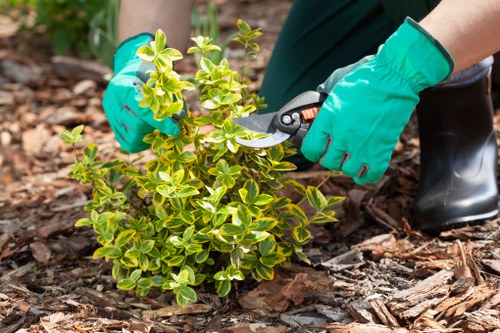 This is one reason experienced gardeners pay close attention to foliage as much as to blooms.
The Science Behind Green Foliage
Leaf color comes from pigments, and the most famous of these is chlorophyll. Chlorophyll absorbs light and gives plants their green appearance. When a plant is healthy and actively growing, chlorophyll is usually abundant, which is why the leaves appear so vividly green. If a plant cannot make enough chlorophyll, the leaves may become yellowish, light green, or dull. That change often signals a problem that gardeners should notice early.
Photosynthesis is the process that keeps a plant alive and growing. Through the leaf surfaces, plants take in light, carbon dioxide, and water, then transform them into sugars that fuel the plant. This process depends on healthy leaf tissue. If the leaves are damaged by pests, diseases, drought, or physical stress, the plant’s energy production can slow down. That is why gardeners value strong foliage so highly and why the topic of green garden leaves is closely tied to plant science.
Environmental factors also influence how green leaves look. Sunlight intensity, seasonal shifts, temperature changes, and soil conditions all play a role. Some plants naturally produce darker leaves, while others have a brighter green tone. In shaded areas, leaves may grow larger to capture more light. In sunnier places, leaves may be smaller, thicker, or waxier to protect themselves. These differences show how adaptable plants are and why leaf color alone can tell a rich story about the garden.
What Makes Leaves Look Their Best
Leaf health begins with proper growing conditions. Most plants need the right amount of water, enough light, and soil that supports root growth. Too much water can suffocate roots and reduce nutrient uptake, while too little water can cause leaves to wilt, curl, or become dull. Balanced watering helps the plant maintain turgidity, which keeps leaves firm and attractive. Gardeners who understand the needs of their specific plants often find it easier to maintain vibrant foliage.
Nutrition matters too. Plants depend on key elements such as nitrogen, magnesium, iron, and potassium. Nitrogen is especially important for leaf growth and color, which is why nutrient-rich soil often leads to strong green foliage. Magnesium helps in chlorophyll production, while iron supports healthy pigment formation. A deficiency in any of these can affect the appearance of the leaves. This is one reason the concept of gardeners leaves green goes beyond aesthetics and into the practical realm of plant nutrition.
The structure of the soil is equally important. Loose, well-draining soil allows roots to breathe and spread, while compacted soil can limit water movement and oxygen flow. Organic matter improves soil texture and gives plants access to a broader range of nutrients. When roots are healthy, leaves are usually healthy too. A plant’s upper growth often reflects what is happening beneath the surface. In this sense, the beauty of green leaves is built from the ground up.
Common Reasons Leaves Lose Their Green Color
When gardeners see leaves fade from their natural green shade, several possible causes may be involved. One of the most common is nutrient deficiency, especially low nitrogen or iron. These deficiencies can lead to pale foliage and slower growth. Another reason may be irregular watering. Leaves that are too dry may become brittle or curl, while waterlogged roots can fail to supply the plant properly, causing yellowing and weakness.
Pests can also damage leaf color and appearance. Insects such as aphids, mites, and beetles may feed on plant tissue, leaving behind spots, holes, or a faded look. Some pests also spread disease, which can affect the entire plant. Fungal problems may produce blotches, mildew, or discoloration. Because leaves are so visible, they often reveal the first signs of trouble. Watching for changes in the foliage is one of the most reliable ways to keep a garden healthy.
Weather stress may change leaf color as well. Intense heat, frost, wind, and sudden exposure to strong sun can all affect plant tissue. Some leaves respond by becoming dull or scorched, while others may curl or develop brown edges. These symptoms are not always permanent, but they do signal that the plant is under pressure. Gardeners who pay attention to these signs can respond early and protect the larger health of the planting bed.
How Different Plants Express Green
Not all green leaves look the same. Some are soft and pale, others dark and glossy, and some are silvery-green or variegated with multiple shades. Herbs like basil and mint often have fresh, tender foliage that suggests quick growth and fragrance. Shrubs may offer dense green layers that provide privacy and structure. Trees can contribute broad canopies of shade with leaves that shift from bright spring green to deeper summer tones. Each type of plant adds a unique version of green to the garden.
Edible plants often rely on leaf health as a sign of productivity. Leafy greens, lettuces, spinach, and kale are obvious examples, but many fruiting vegetables also depend on vigorous foliage before they can produce well. Tomatoes, peppers, cucumbers, and beans all need strong leaves to fuel later harvests. In kitchen gardens, the appearance of the foliage can be just as important as the final crop. When leaves are robust and richly green, the entire plant is usually working well.
Ornamental plants contribute a different kind of beauty. Hostas, ferns, hydrangeas, palms, and many evergreen species are admired largely for their foliage. Their leaves create rhythm, shape, and contrast in a garden layout. Some are used to brighten dark corners, while others are planted for dramatic effect.  Because of this, the phrase green leaves in the garden can apply to design as well as plant health. The right foliage can turn an ordinary space into a memorable one.
Seasonal Changes and Leaf Color
Green leaves do not always stay exactly the same throughout the year. In spring, many plants produce new growth that appears lighter and softer in color. This fresh foliage often signals renewed energy after dormancy or winter slowdown. By summer, leaves may deepen in color as plants reach peak growth. In autumn, some species change dramatically, shifting from green to gold, orange, red, or brown as daylight shortens and temperatures cool.
Evergreen plants, on the other hand, retain green foliage for much of the year, though the intensity may still vary with season and climate. Some evergreens become slightly dull in cold weather, then brighten again when warmth returns. These natural patterns should not be mistaken for poor health. Understanding seasonal change helps gardeners distinguish between normal leaf behavior and genuine warning signs. It also adds appreciation for the many forms that green foliage can take over time.
Seasonal transitions can inspire the layout of a garden as well. Plants with different leaf colors and textures can provide interest in every month. A mix of evergreen, deciduous, and herbaceous plants ensures that there is always some form of green present. The result is a garden that feels alive through all seasons, even when flowering is limited. For many garden lovers, this ongoing display of leaf beauty is one of the greatest rewards of gardening.
Designing a Garden Around Foliage
While flowers often get the most attention, foliage is the framework that holds a garden together. A good planting design uses leaf size, shape, and color to create layers and contrast. Large leaves can give a bold tropical feel, while fine leaves bring delicacy and movement. Repeating certain shapes can create visual harmony, while mixing leaf types can add surprise and richness. This is one reason foliage-focused gardens feel so immersive and carefully composed.
Using shades of green in design can create subtle but powerful effects. Bright green plants can lift dark spaces and make them feel more open. Dark green leaves can anchor a border and make lighter plants stand out. Variegated foliage adds movement and breaks up blocks of color. Even without flowers, a garden can still look lively and finished when the leaf structure is thoughtfully arranged. In this way, gardeners leaves green becomes a design principle as much as a description.
Gardeners often place foliage plants near paths, entrances, and sitting areas because they offer close-up detail. Leaves invite observation. Their veins, edges, shine, and texture become more noticeable when people walk near them. That intimacy gives a garden personality. A well-planned foliage display can feel peaceful, elegant, or even dramatic depending on how it is composed. The green leaf is never just background; it is often the heart of the scene.
Care Practices That Support Healthy Leaves
Consistent care helps plants maintain rich leaf color and strong growth. Mulching around the base of plants can help retain soil moisture, regulate temperature, and improve soil quality over time. Proper spacing also matters because crowded plants may compete for light, air, and nutrients, leading to weaker foliage. Good airflow helps reduce fungal problems and allows leaves to dry properly after rain or watering.
Pruning is another important practice. Removing damaged, diseased, or crowded growth can encourage stronger new leaves and better overall shape. However, pruning should be done carefully so the plant is not stressed unnecessarily. Clean tools, sensible timing, and knowledge of the plant’s growth habit all support a better outcome. In the long run, thoughtful maintenance helps preserve the lively appearance that gardeners value so much.
Observation is perhaps the most useful habit of all. A gardener who checks plants regularly can notice changes before they become serious. Small shifts in leaf size, softness, color, or pattern may indicate that the plant needs a different watering routine, better drainage, more light, or soil improvement. This quiet attention is often what keeps gardeners leaves green not only as a phrase, but as a living reality in the garden.
The Emotional Value of Green Leaves
 There is also an emotional dimension to green leaves that should not be overlooked. People often associate green with calm, renewal, balance, and growth. This is part of why gardens feel restorative. A space filled with healthy foliage can reduce visual stress and create a sense of refuge. The repeated presence of green leaves gives the eye a place to rest, which can make a garden feel welcoming and peaceful.
Many gardeners develop a deep attachment to the leaf stage of a plant’s life, not just its flowers. A leaf is reliable. It arrives with the season, supports the plant through changing conditions, and quietly performs its work. Even when blooms fade, leaves remain. That steady presence can feel grounding, especially for people who spend time nurturing plants through many cycles of growth and rest. The beauty of foliage is often subtle, but it is long lasting.
For children, beginners, and experienced gardeners alike, green leaves can be a first lesson in plant life. They show that health is visible, that growth has signs, and that nature responds to care. Learning to read leaf color becomes a way of understanding the whole garden more deeply. In that sense, the phrase gardeners leaves green reflects both a visual condition and a relationship between people and plants. It is about noticing life and helping it thrive.
Conclusion: The Lasting Appeal of Healthy Green Foliage
Green leaves remain one of the clearest signs of a thriving garden. They show that the plant is capturing light, making energy, and responding to its environment in a balanced way. They also add color, texture, structure, and calm to every kind of planting space. From edible crops to ornamentals, from shade gardens to sunny borders, foliage helps define the quality of the garden experience. That is why gardeners leaves green continues to be a phrase that resonates with so many plant lovers.
Whether the goal is a productive vegetable patch, a polished landscape, or a quiet retreat filled with layered greenery, healthy leaves are central to success. They reveal care, patience, and understanding. They also reward the gardener with beauty that changes subtly through the seasons. In a world that often moves too quickly, the slow unfolding of green foliage offers a reminder that growth can be steady, resilient, and deeply satisfying.
Ultimately, the charm of green leaves lies in their ability to combine science and beauty. They are practical organs of life and elegant features of design at the same time. A garden rich in leaf color feels generous, balanced, and full of possibility. And for anyone who loves plants, that is reason enough to value every healthy green leaf that appears.


